Paranormal Investigator vs Ghost Hunter: What's the Difference?
A paranormal investigator follows a documented method to find out what really caused a reported experience, and rules out natural causes before considering anything else. A ghost hunter usually goes looking for a thrill or for signs of a ghost. The difference is method, evidence standards, ethics and accountability, not equipment.
By Rith Deb, core team member of the Indian Paranormal Society · 13+ years, 200+ investigations · Last updated: 29 October 2026
Note: rithdeb.com is Rith Deb's personal site. It is not the Indian Paranormal Society website, and nothing on it grants IPS or G.R.I.P membership. The Indian Paranormal Society's own information is at indianparanormalsociety.in and on the IPS blog.
What is a paranormal investigator?
A paranormal investigator examines reported paranormal activity with a repeatable, evidence-first method. The goal is not to prove that a place is haunted. The goal is to find out what actually happened. In most cases, the answer is something natural: wiring, sound, drafts, air quality, the building itself or the way human perception works.
Rith Deb learned this approach under Gaurav Tiwari, who directly mentored him after Rith joined the Indian Paranormal Society in 2013. Rith still follows IPS methodology in the field.
What is a ghost hunter?
"Ghost hunter" is a loose, popular label. It usually describes someone who visits a reportedly haunted place hoping to experience or record something unexplained. Many people enjoy it as a hobby or as entertainment, and that is fine as long as it is honest about what it is. The problem starts when entertainment is presented as investigation.
Paranormal investigator vs ghost hunter at a glance
| Paranormal investigator | Ghost hunter (typical) | |
|---|---|---|
| Starting question | What caused this? | Is there a ghost here? |
| Method | Documented stages, from intake to written report | Often informal or improvised |
| Natural causes | Ruled out first, and recorded | Often skipped |
| Evidence standard | Must be repeatable and checkable by others | A single strange reading or sound can be treated as proof |
| Equipment | Used to measure the environment, with known limits | Often used to "detect spirits" |
| People involved | Privacy, consent and calm come first | The experience or the content comes first |
| Outcome | An honest report, including "natural cause found" | A story, a video or a scare |
1. Method: a documented process
An investigator works in stages: case intake, background research, an environmental baseline, evidence capture at fixed points, analysis and a written report. Each stage leaves a record that someone else could check. For how that path begins, see How to Become a Paranormal Investigator in India.
2. Evidence standards: repeatable, not dramatic
A single odd sound, a meter spike or a shadow in a photo is a lead, not a conclusion. An investigator asks whether it can be repeated, whether the equipment can explain it, and whether the original, unedited file is kept. Evidence that only works once, or only after editing, does not count.
3. Natural-cause elimination comes first
Before anything is called unexplained, an investigator checks the ordinary explanations: electrical faults and electromagnetic fields, low-frequency sound and vibration, drafts and temperature changes, plumbing and building movement, light reflections, camera artefacts, and how tiredness, expectation and suggestion affect what people notice. Most reports end here, and that is a useful result for the family involved.
4. Ethics and safety
The people who report activity are often frightened. An investigator gets consent, protects their privacy, avoids feeding fear and never charges people for hope. Safety matters too: never entering unsafe or restricted structures, never trespassing, always working in a team, and telling someone where you are.
5. Entertainment vs investigation
Shows and videos are built to hold attention, so they reward drama. Investigation rewards accuracy, even when the answer is boring. Both can exist, but they should not be confused. If you want to learn the investigative side properly, a structured paranormal investigation course focused on method is a better starting point than imitating what you see on screen.
Can a ghost hunter become a paranormal investigator?
Yes. Curiosity is a good start. The shift happens when you adopt a method, keep honest records and accept natural explanations when the evidence points to them. Learn more about Rith's background on the About page, or read more about Rith Deb's work as a paranormal investigator in India.
Frequently asked questions
What is the difference between a paranormal investigator and a ghost hunter?
A paranormal investigator follows a documented method to find out what caused a reported experience and rules out natural causes first. A ghost hunter usually looks for an experience or for signs of a ghost. The difference is method, evidence standards and ethics, not equipment.
Do paranormal investigators believe in ghosts?
Personal beliefs vary. In the field, a paranormal investigator does not start from belief. The work is to test every ordinary explanation first and to report honestly whatever the evidence shows.
Is ghost hunting the same as paranormal investigation?
No. Ghost hunting is usually a hobby or entertainment. Paranormal investigation is a structured process with case intake, baselines, natural-cause checks, analysis and a written report.
What equipment does a paranormal investigator use?
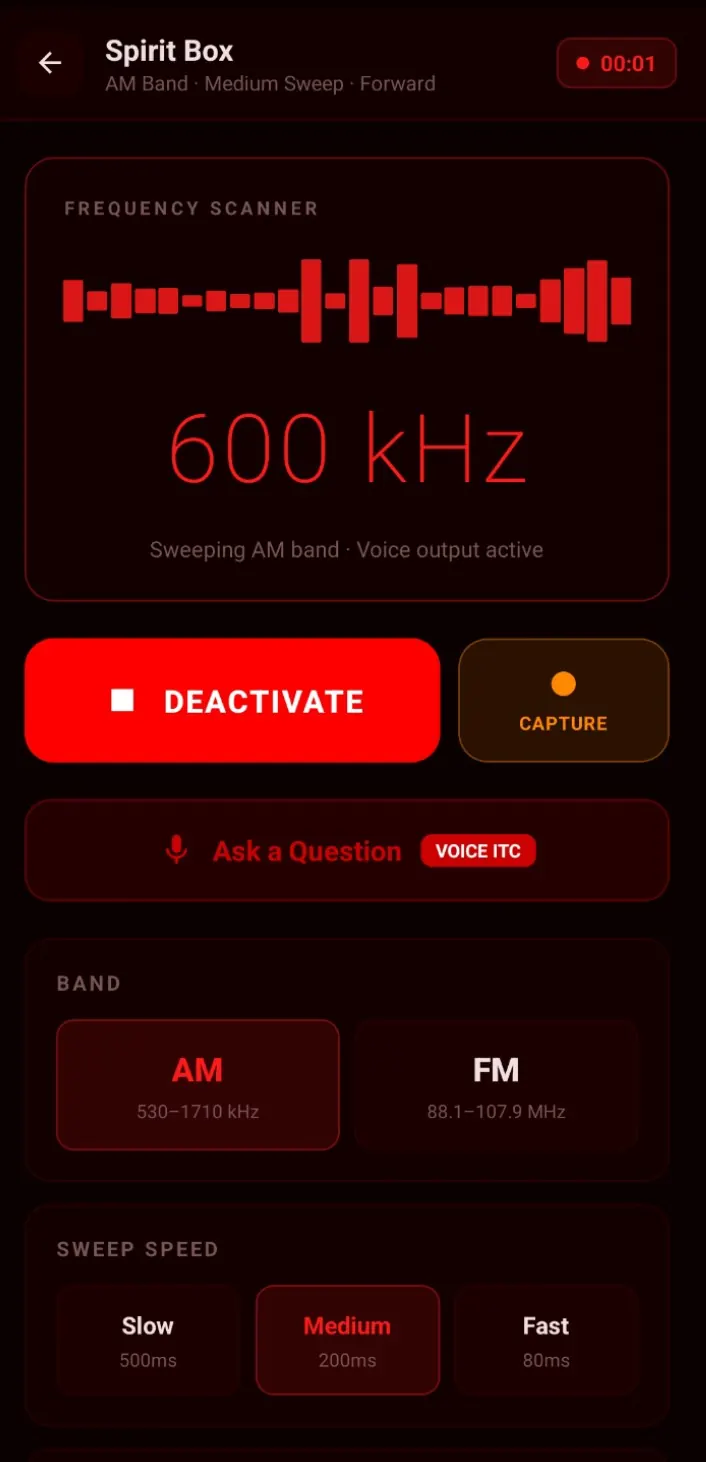
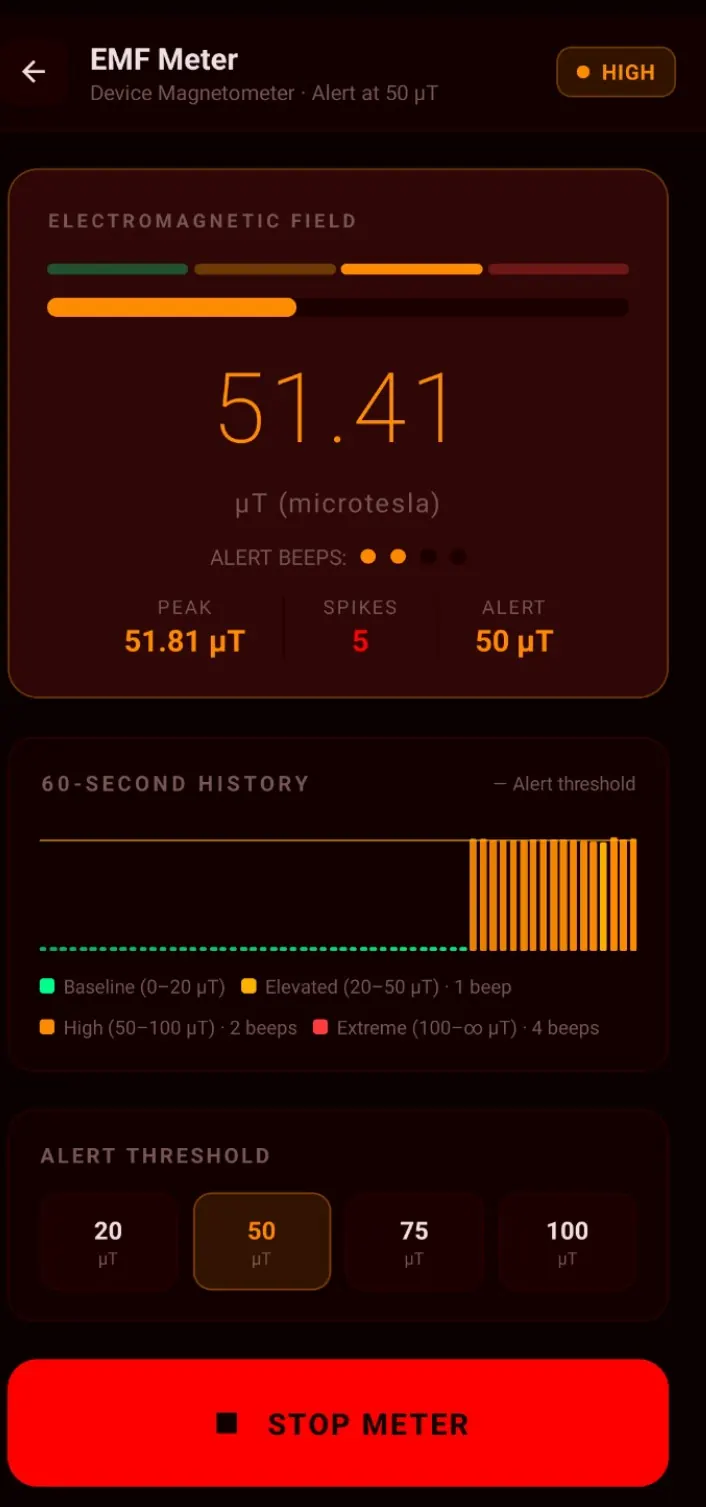
Common tools include cameras, audio recorders, EMF meters and thermometers. They are used to measure the environment and spot natural causes, and an investigator learns how each tool can give false readings.
How can I become a paranormal investigator?
Start by learning a documented method, natural-cause checks, field safety and ethics, and train with experienced investigators. The guide How to Become a Paranormal Investigator in India explains the steps.
Train with Rith Deb
Get on the waitlist for the next intake of the Rith Deb Paranormal Academy.
JOIN THE WAITLIST